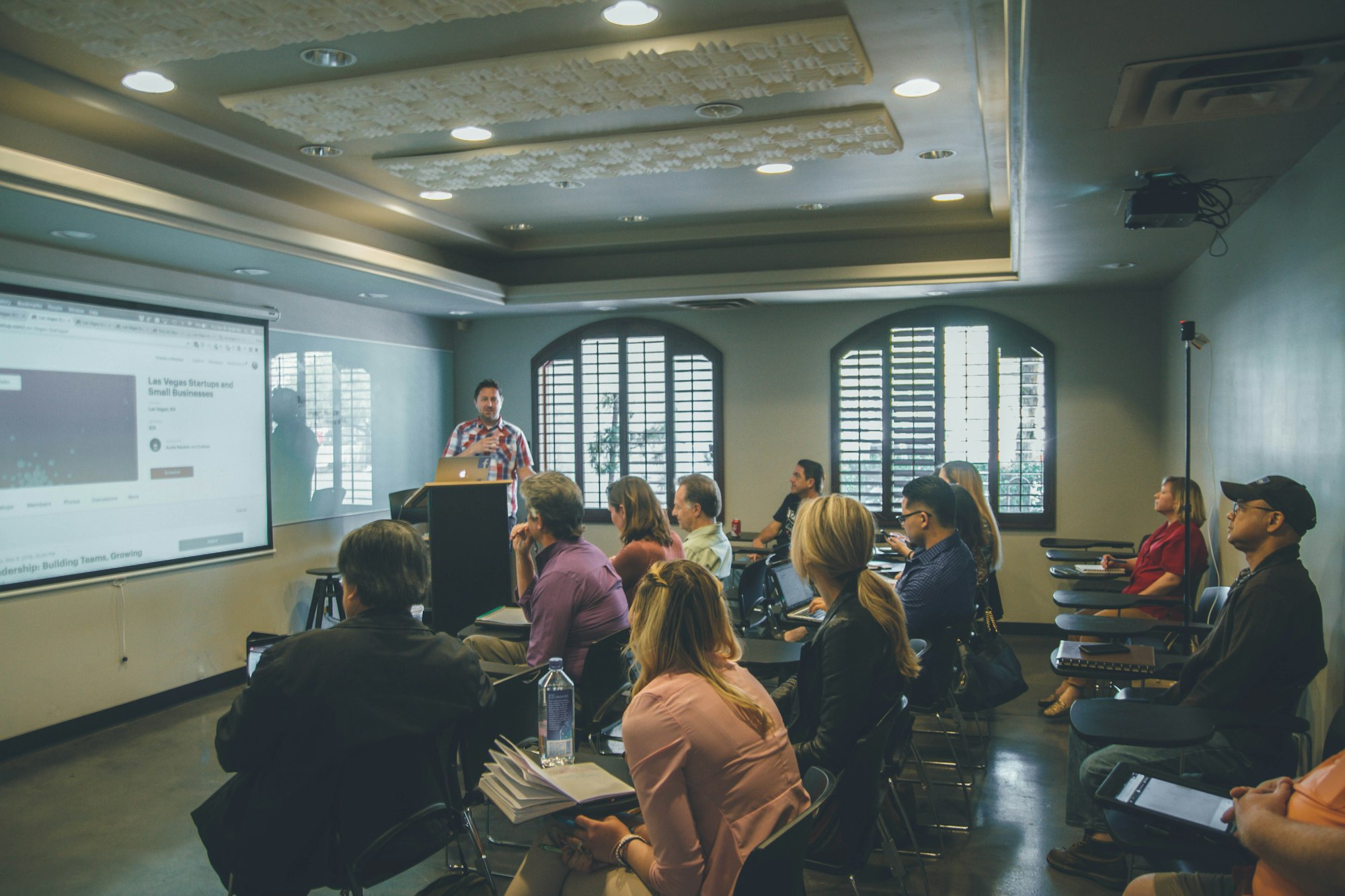
Teaching UAE Aviation Teams to Run CX Management Loops
How aviation leaders are using the September operational window to build internal capability, turning frontline staff into active designers of the passenger experience.
Praveen Kumar · Founder & Director, Xverse Digital
The short answer
A CX management loop in aviation is a continuous system where frontline teams identify passenger friction, design immediate operational fixes, and measure the results. By embedding this capability internally, airlines shift customer experience from a delayed corporate reporting function to a real-time operational reflex.
73%
Value CX in purchasing
A 2025 PwC survey found that 73% of consumers cite customer experience as a primary factor in their purchasing decisions.
59%
Abandon after bad experiences
The same 2025 PwC research indicates 59% of customers will walk away from a brand after several poor interactions.
71%
Internalise journey mapping
A 2022 industry analysis reported that 71% of organisations now manage customer journey mapping internally to drive higher returns.
78%
Adopt AI for agility
By 2025, 78% of enterprises integrate AI into business functions to enhance decision-making speed and operational flexibility.
The intense summer travel peak across the Gulf has concluded. As of September 2025, UAE aviation leaders face a brief operational breather before the winter tourist influx begins. This seasonal window is when the most effective carriers shift their focus from managing sheer passenger volume to building sustainable internal capability. We see a distinct difference between airlines that merely brief their staff on new service standards and those that embed continuous improvement into their daily operations. Effective aviation customer experience training UAE requires moving beyond classroom theory. It demands teaching frontline teams how to run their own CX management loops.
Experience is the strategy, not the decoration. When an airline treats customer experience as a separate department rather than the way work is done, friction multiplies. We advise aviation leaders to use this autumn planning rhythm to build capability inside the client, not dependency on external vendors.
What is a CX management loop in an aviation context?
A CX management loop in an aviation context is a continuous operational system where frontline teams capture passenger friction, design immediate fixes, implement them at the terminal or cabin, and measure the resulting change. It shifts customer experience from a delayed corporate reporting function to a real-time operational reflex.
In our practice, we structure this loop around four distinct phases: Know, Design, Implement, and Sustain. The 'Know' phase requires moving past historical survey data to understand what is happening in the terminal right now. The 'Design' phase empowers shift supervisors to map the immediate journey and prototype a solution, such as reconfiguring a crowded transit desk. 'Implement' puts that solution into the physical environment, and 'Sustain' measures whether the intervention actually reduced passenger effort.
This methodology directly links operational adjustments to business outcomes. A 2024 McKinsey analysis found that improving customer experience scores by just one point across industries can generate over $1 billion in additional annual revenue for large enterprises. In aviation, this revenue materialises through increased direct bookings, higher ancillary spend, and reduced compensation payouts for service failures.
Running these loops requires a fundamental shift in how airline staff view their roles. A gate agent is no longer just processing boarding passes; they are an active participant in the design of the passenger journey. When a flight is delayed, the management loop dictates that the team does not just apologise. They observe the specific points of passenger anxiety, test a new communication cadence, and measure if the revised approach lowers the volume of aggressive complaints.
How do frontline teams capture actionable passenger feedback?
Frontline teams capture actionable passenger feedback by recording specific behavioural observations and verbal complaints during service delivery, rather than waiting for post-flight survey results. This requires equipping cabin crew and ground staff with simple digital logging tools that categorise friction points instantly.
Post-flight surveys tell you that a passenger was unhappy; they rarely tell you exactly how to fix the operation. To drive benefit realisation, aviation teams must capture data in the moment of service. A 2025 PwC survey found that 73% of consumers cite customer experience as an important factor in their purchasing decisions, while 59% will walk away after several bad experiences. Airlines cannot afford to wait weeks for a monthly NPS report to identify why those passengers are walking away.
To operationalise this, we teach teams to follow a strict capture sequence during their shifts:
- Observe the friction point during boarding, transit, or in-flight service.
- Log the specific context (e.g., "confusion at gate signage") using a mobile crew device.
- Route the data to the shift supervisor for immediate triage and categorisation.
- Aggregate these micro-observations for the weekly operational review.
- Select the most frequent friction point for a targeted design intervention.
This sequence relies heavily on the five planes of interface design—Strategy, Scope, Structure, Skeleton, and Surface—applied to the internal tools the crew uses. If the digital logging tool is complex or requires too many taps, the crew will abandon it. Simplicity is the hardest deliverable. The interface must allow a flight attendant to log a recurring catering issue in three seconds while walking down the aisle.
Why does aviation customer experience training UAE fail in operational environments?
Aviation customer experience training UAE fails in operational environments because airlines often treat customer experience as a theoretical classroom exercise disconnected from the realities of shift work and terminal pressure. When training ignores the physical fatigue and strict safety protocols of aviation, staff view new service standards as competing with their primary duties.
In our work observing GCC aviation operators, we frequently see the disconnect between corporate CX design and operational reality. Consider a ground team handling a massive influx of South Asian transit passengers at 3:00 AM in a major UAE hub. The corporate training manual dictates a warm, personalised greeting and a specific conversational script. The operational reality is a backlog of three delayed flights, exhausted passengers, and a strict 45-minute turnaround metric. When the training does not acknowledge this tension, the frontline staff will always default to operational speed, abandoning the CX protocols entirely.
There is an honest trade-off here: you cannot train empathy into a broken process. If the underlying system forces passengers to queue for an hour to rebook a missed connection, no amount of smile training will recover the experience.
Effective capability building addresses the system first. We teach teams to use design thinking to fix the queue, rather than training them to apologise for it. By acknowledging the harsh realities of shift work, fatigue, and safety mandates, we build training programmes that respect the operational environment. We focus on giving staff the autonomy to solve problems, which naturally elevates their demeanour and engagement.
How do we transition from external dependency to internal skill?
We transition from external dependency to internal skill by embedding design thinking directly into the daily routines of airline supervisors and crew managers. Instead of relying on consultants to solve passenger friction, we train internal teams to map journeys, test interventions, and sustain improvements themselves.
Our core belief is that consultancies should build capability inside the client, not dependency. The traditional model of hiring external agencies to conduct annual journey mapping exercises is too slow for the modern aviation sector. A 2022 report by The Financial Brand noted that 71% of organisations manage customer journey mapping internally, which correlates positively with higher returns when led by CX executives.
To achieve this transition, we structure our engagements to transfer knowledge systematically. We move clients from a state of reliance to a state of autonomy.
| Maturity Stage | Approach to Journey Mapping | Problem Resolution | Measurement Focus |
|---|---|---|---|
| Dependent | External agencies map journeys annually | Corporate dictates top-down fixes | Lagging indicators (NPS, CSAT) |
| Transitional | Internal teams map with external coaching | Supervisors test local interventions | Operational metrics (Wait times) |
| Internal Skill | Frontline teams map micro-journeys daily | Staff resolve friction in real-time | Leading indicators (Effort Score) |
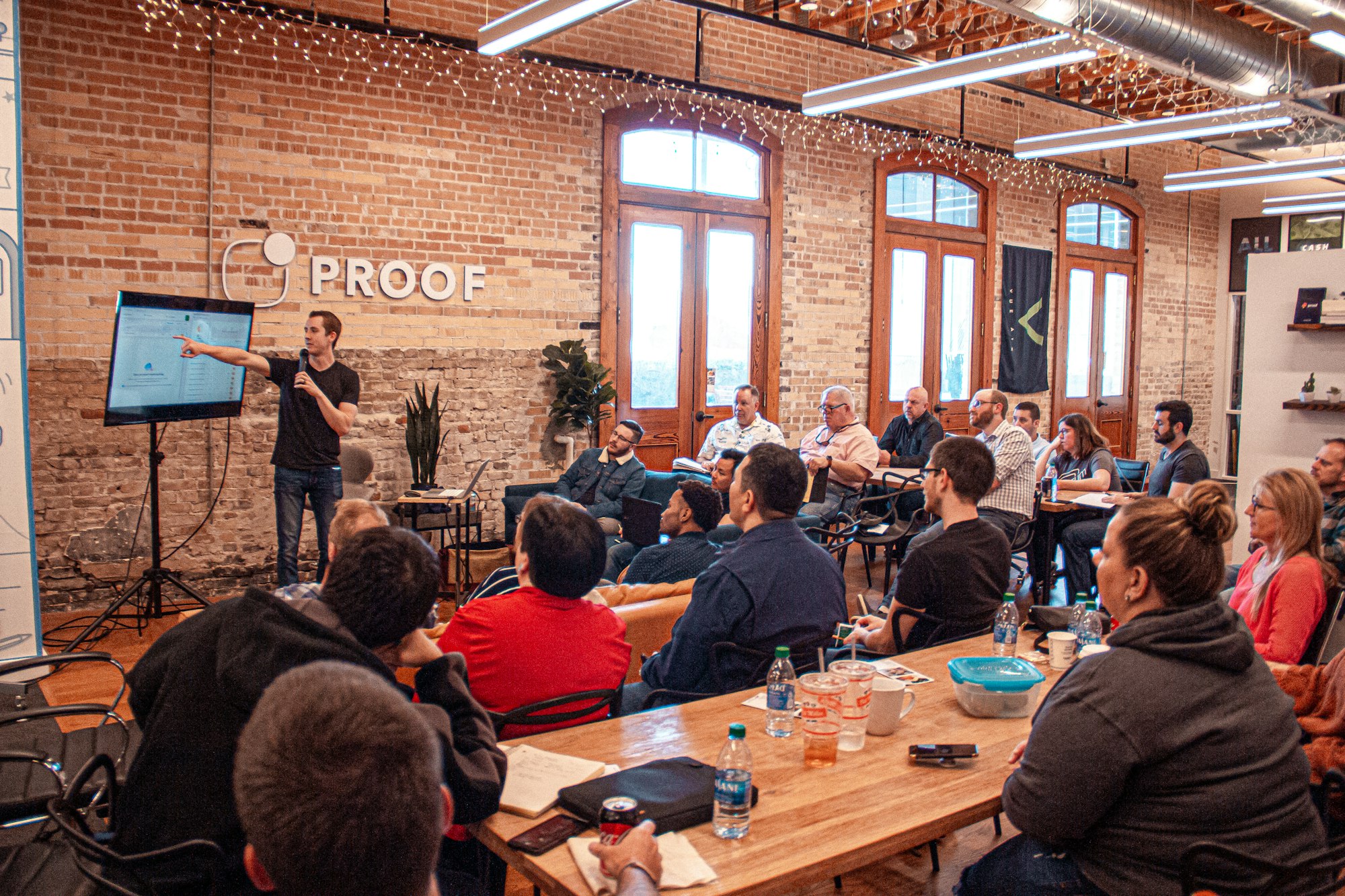
This transition requires a robust CX Operating Model Governance. We train internal champions to facilitate design sprints, manage the feedback loops, and hold their peers accountable. By the end of the programme, the airline has its own cohort of practitioners who understand the Design Value Model and can apply it to any operational challenge, from baggage handling delays to digital kiosk adoption.
What metrics prove our aviation customer experience training UAE investment is working?
Metrics prove our aviation customer experience training UAE investment is working when we see a direct correlation between frontline capability building and reduced passenger effort scores, alongside lower complaint escalation rates. Financial validation occurs when these operational improvements translate into higher ancillary revenue and repeat bookings on competitive routes.
If it is not measured, it is not transformation. We move airlines away from relying solely on Net Promoter Score (NPS), which is often influenced by factors outside the frontline's control, such as ticket pricing or weather delays. Instead, we focus on Customer Effort Score (CES) and First Contact Resolution (FCR) at the gate and in the cabin. When a team is properly trained to run a CX management loop, they identify and remove friction, which immediately lowers the effort required by the passenger.
To process this operational data, 78% of enterprises in 2025 now use AI in business functions to enhance decision-making speed, according to Forrester. This allows aviation teams to spot friction patterns across thousands of flights in real time. When a specific crew implements a new boarding procedure designed during their management loop, we track the exact boarding time variance and the corresponding passenger satisfaction scores for those specific flights.
We also measure the internal adoption of the methodology. How many micro-journeys were mapped by shift supervisors this month? How many operational fixes were implemented without corporate intervention? These leading indicators prove that the capability has taken root. For a broader perspective on standardising these metrics across large organisations, leaders often reference frameworks similar to the Government UX Standardisation UAE.
The window to prepare for the winter peak is closing. Aviation leaders must decide whether they will face the upcoming volume with the same rigid processes they used in the summer, or if they will equip their teams to adapt and design in real time.
To explore how we embed these systems within your operations, review our approach to CX Capability Building.
Experience is the strategy, not the decoration; if it is not measured at the frontline, it is not transformation.
Frequently asked
What is the Know, Design, Implement, Sustain methodology?
It is a continuous improvement framework where teams first gather real-time data to understand friction (Know), prototype operational solutions (Design), apply those solutions in the terminal or cabin (Implement), and measure the results to ensure lasting change (Sustain).
How does shift work impact CX training in aviation?
Shift work introduces physical fatigue and time constraints that make theoretical classroom training ineffective. CX training must acknowledge these realities by focusing on practical, system-level problem solving rather than demanding emotional labour from exhausted staff.
Why is Customer Effort Score (CES) preferred over NPS for frontline teams?
NPS is often skewed by factors beyond the frontline's control, such as ticket prices or weather. CES directly measures how easy or difficult the frontline team made the passenger's immediate journey, providing a more accurate reflection of operational CX performance.
How can airlines reduce dependency on external CX consultants?
Airlines reduce dependency by adopting a train-the-trainer model, embedding design thinking capabilities directly into their internal management structures. This allows internal teams to map journeys and resolve friction without requiring external intervention for every operational challenge.
The Table
Talk this through with us.
If this is live in your organisation right now, take it to the table. Forty-five minutes with an advisor who works on exactly this.
Choose your conversation
Pick the sitting that fits, at a time in your own timezone.
Shape the agenda
Tell us what you're trying to fix, in your own words.
We arrive briefed
A senior advisor reads your note first. You leave with a straight answer.
Send this on
LinkedInSources
Where this goes next
Put this to work with CX Capability Building.
Describe where your experience breaks down and we'll read it back to you — the pattern, the likely causes and the first move — before you give us a single detail about yourself.
Get a read on your situation